Why are Fontainebleau climbing spots perfect for your next adventure?
The Fontainebleau climbing spots have captivated adventurers worldwide, with over 2.5 million visitors recorded in 2024 alone! Located just 60 kilometres from Paris, this climbing paradise attracts enthusiasts from across Europe who can reach the forest of Fontainebleau climbing areas within hours. The legendary sandstone boulders offer everything from beginner-friendly problems to world-class challenges that have shaped modern climbing in Fontainebleau. But how do you plan the perfect climbing holiday that combines epic boulder problems with comfortable accommodation? The answer lies in understanding what makes these Fontainebleau climbing spots so extraordinary for your next outdoor adventure!
Adventure insight: book accommodation early during peak autumn season for the best boulder conditions.
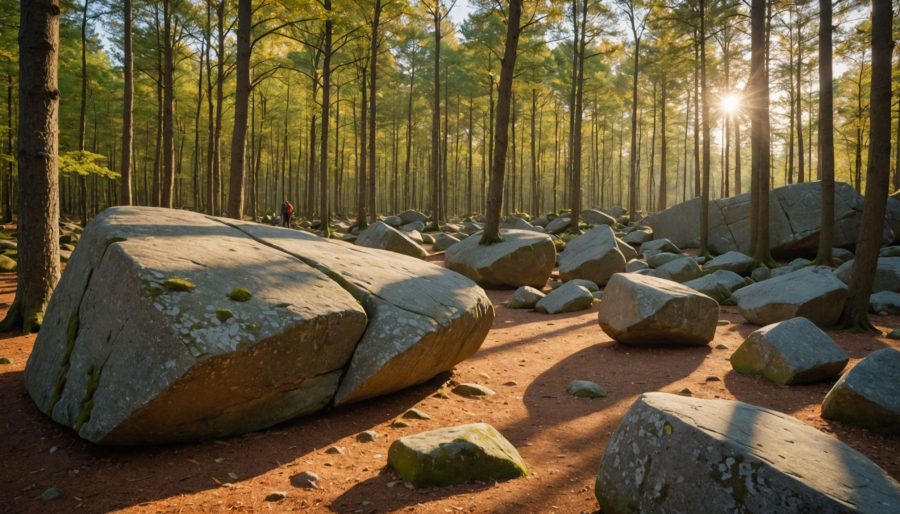
Key Points
- Unique circuit system: The fontainebleau bouldering areas feature a revolutionary colour-coded circuit system with over 25,000 boulder problems across 100+ circuits, from beginner white circuits to challenging black and silver routes
- Exceptional sandstone quality: The fontainebleau sandstone climbing offers unmatched friction when dry, creating perfect conditions for technical moves and precise footwork on ancient geological formations
- Prime climbing seasons: Spring (April-May) and autumn (September-October) provide optimal conditions with temperatures of 15-20°C and minimal rainfall, making these the best bouldering spots fontainebleau seasons
- Premier climbing areas: Top sectors include Franchard Isatis for accessibility, Bas Cuvier for classic problems, and Elephant for dramatic exposure, each offering distinct challenges within the forest of fontainebleau climbing
- Accommodation strategy: Book camping near fontainebleau climbing spots like Camping de la Musardière well in advance during peak seasons, with specialized facilities catering to climbers' gear storage and early morning start needs
Comparative Analysis of Fontainebleau Climbing Spots and Related Data
| Feature | Details/Statistics |
|---|---|
| Total Visitors in 2024 | Over 2.5 million |
| Number of Bouldering Problems | Over 25,000 across 100+ circuits |
| Climbing Areas | Most popular: Franchard Isatis, Bas Cuvier, Elephant |
Fontainebleau remains a top destination for outdoor climbing enthusiasts, attracting a diverse international community. Its unique geological features and extensive problem catalog make it a premier bouldering location.
"The forest of Fontainebleau offers an unparalleled climbing experience that combines natural beauty with technical challenge."
What makes Fontainebleau bouldering areas unique?
The magic of Fontainebleau climbing spots lies in their extraordinary geological composition and perfectly crafted challenge system. These ancient sandstone formations, shaped over millions of years, offer a distinctive climbing experience that draws enthusiasts from every corner of the globe. With over 25,000 boulder problems spread across more than 100 circuits, the forest presents an unmatched diversity of challenges that cater to everyone from beginners to world-class athletes.
The Revolutionary Circuit System
What truly sets Fontainebleau climbing spots apart is their pioneering colour-coded circuit system, which transformed bouldering worldwide! Each circuit follows a specific difficulty grade, marked with painted arrows and numbers on the rocks. The famous white circuits welcome newcomers with gentle problems, while the legendary black and silver circuits test even professional climbers. Yellow, orange, blue, red, and green circuits fill the spectrum between, creating a progressive learning pathway. This systematic approach allows climbers to follow structured routes through the forest, building skills methodically. The circuits wind through stunning fontainebleau bouldering areas, connecting problems that share similar technical demands and difficulty levels, making training sessions both effective and enjoyable.
Unique Sandstone Characteristics
The Fontainebleau sandstone possesses remarkable qualities that create an incomparable climbing surface. This fine-grained rock offers exceptional friction when dry, allowing for delicate balance moves and precise footwork that would be impossible on other rock types. The stone's natural texture provides excellent grip without being overly abrasive on skin, enabling longer climbing sessions. Weather conditions dramatically affect the rock's performance - moisture makes it slippery and fragile, while dry conditions transform it into the perfect climbing medium. The formations feature incredible variety, from towering walls and overhanging roofs to subtle slabs and technical arêtes. Each fontainebleau sandstone climbing area presents distinct characteristics, with some sectors known for powerful moves while others demand technical finesse and mental fortitude.
Global Climbing Culture Hub
The forest has cultivated a unique climbing culture that influences bouldering communities worldwide. Here, the traditional grading system originated, with Fontainebleau grades becoming the international standard for boulder problem difficulty assessment. The area's accessibility from Paris attracts diverse climbing populations, creating a melting pot of techniques and styles. Local climbing etiquette emphasizes respect for nature and fellow climbers, with established protocols for problem sharing and forest conservation. Many legendary climbers honed their skills on these problems, establishing techniques that spread globally. The forest of fontainebleau climbing community welcomes newcomers while maintaining high standards for environmental stewardship. This culture extends to nearby accommodations and services, where climbing-focused businesses understand and cater to the specific needs of boulder enthusiasts throughout the seasons.
Accessibility insight: Most circuit starts lie within a 10-minute walk from parking areas, making world-class bouldering remarkably accessible!
Essential climbing gear for Fontainebleau adventures
Proper equipment transforms your experience at fontainebleau climbing spots from challenging to enjoyable. This legendary forest of fontainebleau climbing destination demands specific gear to tackle its unique sandstone problems safely and effectively.
Core climbing equipment
Quality crash pads form the foundation of safe bouldering at fontainebleau climbing spots. Pack at least two pads - one large primary pad and a smaller secondary for gap filling. The forest's uneven terrain requires versatile protection! Aggressive downturned climbing shoes work best on Font's technical slopers and crimps. Choose shoes half a size smaller than street shoes for precision on delicate moves.
Chalk and brushes complete your essential kit. Bring multiple chalk bags as Font's humidity can dampen chalk quickly. Natural boar bristle brushes clean holds effectively without damaging the historic sandstone. Wire brushes damage the rock and are banned! A headlamp proves invaluable for early morning sessions or exploring shaded problems. Pack a lightweight first aid kit including tape for finger injuries and antiseptic wipes.
Seasonal gear recommendations
Spring and autumn require layered clothing as temperatures fluctuate dramatically throughout the day. Waterproof jackets protect against sudden showers common in these seasons. Summer climbing demands sun protection - wide-brimmed hats, SPF 50+ sunscreen, and plenty of water prevent dehydration and sunburn.
Winter sessions need insulated jackets and warm-up routines to prevent injury on cold rock. Hand warmers maintain finger flexibility during chilly mornings. Microspikes or approach shoes with good grip handle icy forest paths safely. A thermos with hot drinks keeps energy levels high during shorter winter days. Pack extra layers as Font's exposed areas can feel significantly colder than sheltered spots.
Camping-specific equipment
Camping near fontainebleau bouldering areas requires strategic gear choices. Lightweight tents handle the forest's variable weather while remaining portable for approach hikes. Sleeping bags rated 5°C below expected temperatures ensure comfortable rest.
Portable camping stoves and lightweight cookware fuel multi-day adventures. Water purification tablets supplement limited fountain access in remote areas. Headlamps with red-light settings preserve night vision around campsites. Rope or paracord creates washing lines and gear organization systems. Pack bear-proof containers or hang food properly - wildlife activity increases near popular camping areas. Collapsible water containers maximize hydration while minimizing pack weight during longer approaches.
Gear insight: invest in quality crash pads - they're your most important safety investment at Font!
Which are the best bouldering spots in Fontainebleau forest?
The forest of Fontainebleau climbing scene unfolds across distinct sectors, each offering unique sandstone challenges that cater to different climbing styles and skill levels. These legendary fontainebleau climbing spots have shaped bouldering culture for decades, drawing climbers to their world-class problems and diverse terrain.
Franchard Isatis
Franchard Isatis stands as one of the most accessible fontainebleau climbing spots, perfect for those seeking variety without lengthy approaches. This sector combines technical wall climbing with traditional Fontainebleau slopers, offering grades from 3 to 7A across its compact circuit. The area's signature problem, "Isatis," demands precise footwork on small crystals while navigating delicate mantles. What makes this spot particularly appealing is its proximity to several camping near fontainebleau climbing facilities, with Camping Huttopia just fifteen minutes away. The shorter boulders here provide excellent warm-up opportunities, while the longer problems challenge endurance and technique. During peak season, the area maintains a welcoming atmosphere despite its popularity. The fontainebleau sandstone climbing here weathers well, offering reliable friction even in humid conditions. Multiple circuit colors ensure progression pathways for every ability level, making it ideal for mixed-ability groups planning fontainebleau climbing holidays.
Bas Cuvier
Bas Cuvier represents the heart of classic fontainebleau bouldering areas, where legendary problems like "La Marie Rose" have tested climbers for generations. This historic sector features the famous orange circuit, renowned for its burly moves and committing highballs that define traditional Fontainebleau style. The boulder density here exceeds most other areas, with over sixty numbered problems creating an intricate network of challenges. Technical precision meets raw power on problems like "L'Angle," where commitment and timing prove crucial. The sector's central location makes it a natural meeting point for international climbing communities. Outdoor camping climbing france enthusiasts appreciate the nearby facilities at Bois du Boulogne campsite, just twenty minutes from the boulders. Weather resistance varies throughout the sector, with some problems remaining climbable during light rain while others require perfect conditions. The best bouldering spots fontainebleau discussions inevitably mention Bas Cuvier's role in establishing the area's reputation. Circuit maintenance remains excellent, with clear markings guiding climbers through progressive difficulty levels.
Elephant
The Elephant sector delivers dramatic exposure and fontainebleau sandstone climbing at its most spectacular, featuring the area's most photographed boulder formations. Named after its elephant-shaped rock formations, this sector combines stunning aesthetics with challenging climbing across all difficulty grades. The famous "Elephant" problem itself presents a moderate but exposed traverse that rewards confident movement over significant drops. Beyond the namesake boulder, the sector offers hidden gems tucked between dramatic rock formations that create natural amphitheatres. French climbing destinations rarely match the psychological challenges found here, where exposure amplifies difficulty ratings significantly. The longer approaches filter crowds, creating a wilder experience compared to roadside crags. Bouldering camping france options include nearby Fontainebleau town accommodations, though most climbers prefer the forest camping experiences for full immersion. Weather conditions affect climbing quality dramatically here, with morning sessions often providing optimal friction on the steep walls. The sector's layout encourages exploration, with satellite boulders offering quality problems away from the main attractions.
Favourite pick: Franchard Isatis wins for its perfect blend of classic problems and modern convenience!
When is the best climbing season in Fontainebleau?
Planning the perfect climbing holiday requires understanding when fontainebleau climbing spots offer optimal conditions throughout the year. The forest experiences distinct seasonal variations that dramatically affect rock grip, weather comfort, and overall climbing experience. Spring emerges as the premier season, typically running from April through May, when temperatures hover between 15-20°C and rainfall remains minimal. During these months, the sandstone maintains excellent friction without excessive moisture, while camping near fontainebleau climbing becomes genuinely pleasant with mild evenings and comfortable sleeping conditions.
Autumn presents equally compelling conditions from September through October, offering crisp mornings perfect for tackling challenging problems across various fontainebleau climbing spots. The summer months bring intense heat that can make midday climbing uncomfortable, though early morning and evening sessions remain productive. Conversely, winter climbing demands careful timing around weather windows, as wet sandstone becomes dangerously slippery and camping conditions turn harsh. Smart climbers monitor weather forecasts closely and pack appropriate gear for temperature fluctuations that can swing dramatically within single days.
Crowd patterns significantly influence your climbing experience, with weekends drawing substantial numbers of climbers from Paris and beyond. Weekday visits, particularly during school periods, offer quieter fontainebleau bouldering areas and better access to popular problems. Holiday periods like Easter and summer vacations see increased congestion at classic sectors such as Bas Cuvier and Franchard Isatis.
Prime planning tip: book accommodation well ahead for spring and autumn peak seasons!
Where to stay when climbing in Fontainebleau?
Finding the right accommodation near fontainebleau climbing spots can make or break your bouldering adventure! With over 2.5 million visitors exploring the forest annually in 2024, securing suitable lodging requires careful planning. The challenge isn't just finding a bed for the night – you need somewhere that understands climbers' unique needs, from early morning starts to muddy gear storage.
Camping Sites Within the Forest
Several established campsites sit strategically close to the most popular fontainebleau climbing spots, offering climbers the ultimate convenience. Camping de la Musardière provides direct access to Bas Cuvier and offers specialized facilities including gear drying areas and route information boards. The site features hot showers, electrical hookups, and a small shop stocking basic climbing essentials. Reservation periods typically open three months in advance, particularly crucial during peak seasons from April to October when fontainebleau bouldering areas attract international crowds.
Camping du Clos Saint-Fiacre presents another excellent option, positioned near Three Pignons sector. This family-run facility caters specifically to outdoor enthusiasts with secure bike storage, early breakfast options, and detailed local climbing guides available at reception. The owners, themselves climbers, provide invaluable beta about current conditions and lesser-known boulder problems. Their washing facilities accommodate muddy climbing gear, while covered areas allow for evening route planning sessions regardless of weather conditions.
Outdoor-Friendly Guesthouses and Hostels
Several local guesthouses have adapted their services specifically for climbing visitors, understanding the unique requirements of fontainebleau outdoor adventure seekers. Auberge de la Gorge aux Châts offers dormitory-style accommodation with communal kitchens, perfect for budget-conscious climbers planning extended stays. Their ground-floor storage rooms accommodate crash pads and ropes, while boot washing stations prevent forest sand from tracking throughout the building.
Les Gîtes du Rocher provides self-catering apartments designed for climbing groups, featuring reinforced floors for crash pad storage and expanded shower facilities. Located fifteen minutes' walk from Franchard Isatis, these accommodations include detailed route guides and current condition updates. The hosts maintain relationships with local climbing shops, often arranging equipment deliveries or repairs for guests. Booking recommendations suggest securing reservations minimum six weeks ahead, especially for weekend stays during optimal climbing seasons when weather conditions favour sandstone friction.
Specialized Climbing Lodges
Purpose-built climbing lodges represent the premium accommodation option for serious boulderers visiting fontainebleau climbing spots. Basecamp Fontainebleau operates as a climber-exclusive facility, featuring dedicated gear rooms with individual storage lockers, specialized drying systems, and route planning areas equipped with detailed sector maps and guidebooks. Their communal spaces foster international climbing community connections, while professional massage services help recover from intensive bouldering sessions.
The Forest Lodge offers luxury accommodation without sacrificing climbing focus, providing concierge services including guided sector tours, equipment rental, and transportation to remote areas. Their breakfast service accommodates early morning starts, while evening facilities include route analysis sessions with experienced local guides. Premium packages include crash pad rental, area transfers, and access to exclusive bouldering sectors typically unknown to casual visitors. Advanced booking becomes essential during international climbing competitions and popular European holiday periods when accommodation demand significantly exceeds availability throughout the region.
Accommodation tip: book camping spots with gear drying facilities – Fontainebleau's morning dew can leave equipment soaked overnight!
Questions fréquentes
What difficulty levels can beginners expect?
Fontainebleau uses the French grading system, starting from grade 3 for absolute beginners. The fontainebleau climbing spots offer problems ranging from 3 to 8c+, making it perfect for all skill levels. Beginners should focus on grades 3-5, which provide excellent technique development opportunities. Areas like Franchard Sablons and Bas Cuvier feature numerous beginner-friendly routes with good holds and manageable heights. The best bouldering spots fontainebleau typically cluster problems by difficulty, allowing progression within the same area. Most climbing guidebooks clearly mark beginner circuits with colored arrows painted on rocks. Yellow circuits generally indicate the easiest routes, perfect for first-time climbers. The sandstone's friction improves with cooler temperatures, making autumn and spring ideal for beginners. Don't rush progression - mastering fundamentals on easier grades builds confidence and prevents injury!
Can I rent climbing equipment locally?
Several shops in Fontainebleau village and nearby Barbizon rent quality climbing gear fontainebleau enthusiasts need. You'll find crash pads, climbing shoes, chalk bags, and guidebooks available for daily or weekly rental. Popular rental shops include Décathlon Fontainebleau and local climbing stores near the train station. Crash pad rental costs approximately €15-20 per day, while climbing shoes range from €8-12 daily. Many fontainebleau climbing accommodation providers also offer equipment rental services to guests. Booking ahead during peak seasons (spring and autumn) ensures availability. Consider renting locally rather than traveling with bulky crash pads - it's often more economical and convenient. Some rental shops provide delivery services to popular climbing areas or campsites. Quality varies between providers, so check equipment condition before heading out. Most shops require valid ID and a deposit for equipment rental.
What are the camping regulations?
Wild camping is strictly prohibited throughout the forest of Fontainebleau, but several designated bouldering camping france sites welcome climbers. Camping de la Musardière and Camping les Prémices offer the closest official accommodation to major climbing areas. These sites provide shower facilities, equipment storage, and climbing community atmosphere. Prices range from €8-15 per night for tent pitching. Fontainebleau outdoor adventure seekers must respect the 10pm-6am quiet hours in all camping areas. Fires are only permitted in designated barbecue zones due to forest fire risks. Many campsites close during winter months, so verify opening dates before planning your trip. Some climbing groups organize at Camping du Parc for its proximity to Franchard areas. Book ahead during popular climbing seasons as spaces fill quickly. Remember to pack warm sleeping gear - forest temperatures drop significantly at night, even in summer!
Which areas suit complete beginners best?
Bas Cuvier stands out as the premier beginner destination among fontainebleau climbing spots, offering yellow and orange circuits with excellent holds and reasonable heights. The parking is convenient, and problems are well-spaced for safe practice. Franchard Sablons provides another fantastic option with its famous Dévers circuit and numerous grade 4-5 problems. These areas feature the classic Fontainebleau sandstone experience without intimidating difficulty. Rocher Canon offers shorter problems perfect for building confidence, while Dame Jouanne combines easy routes with beautiful forest settings. La Padole specializes in technical slab climbing that develops footwork skills essential for progression. Each beginner area provides clear circuit markings and detailed problem descriptions in standard guidebooks. The approaches are relatively short, making gear transport manageable. Consider visiting multiple beginner areas to experience different rock features and climbing styles that Fontainebleau offers!
What climbing ethics should I follow?
Fontainebleau maintains strict environmental protection standards that all climbers must respect. Stay on marked paths to prevent erosion and protect fragile vegetation surrounding climbing areas. Clean your climbing shoes thoroughly to avoid transferring chalk buildup on the historic sandstone. Brush holds gently after climbing to maintain rock quality for future visitors. Pack out all trash, including organic waste like banana peels that don't decompose naturally in this ecosystem. Respect wildlife by avoiding nesting areas during breeding seasons (typically spring months). Keep noise levels down, especially early morning and evening when forest animals are most active. Never modify holds or clean routes with metal brushes that damage rock texture. French climbing destinations like Fontainebleau depend on climber cooperation for continued access. Report any access issues or environmental damage to local climbing organizations. Support conservation efforts through membership in climbing associations that maintain trail access and negotiate with forest authorities for sustainable climbing practices!
Essential reminder: proper preparation transforms your Fontainebleau climbing experience from good to unforgettable!
